Early-Onset Knee Osteoarthritis: Why Knee Arthritis Can Affect You Before 45

Early-Onset Knee Osteoarthritis: Why Knee Arthritis Can Affect You Before 45
Many people believe that knee osteoarthritis only affects older adults. While age is a common risk factor, knee arthritis can develop much earlier in life. This condition, known as early-onset knee osteoarthritis, can impact mobility, daily activities, and overall quality of life if left untreated.
According to leading orthopedic specialists, recognizing symptoms early and seeking timely treatment can help delay disease progression and avoid surgery in the future.
What Is Early-Onset Knee Osteoarthritis?
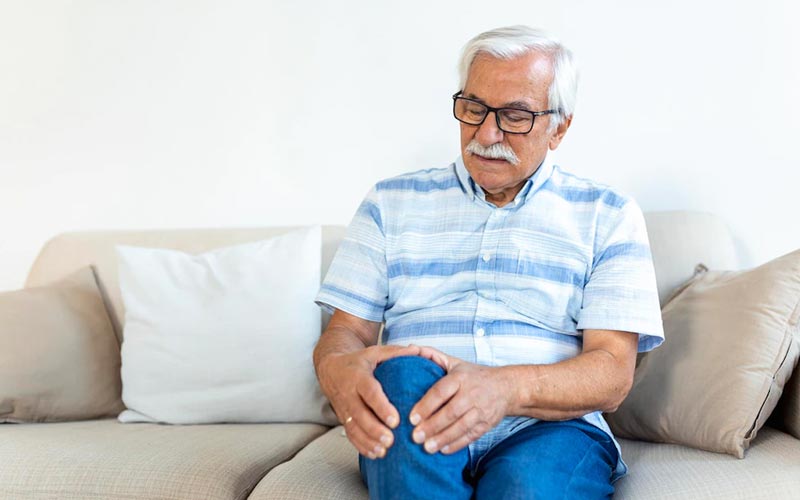
Knee osteoarthritis occurs when the protective cartilage cushioning the knee joint gradually wears away. Without this smooth cartilage, bones begin rubbing against each other, causing pain, stiffness, swelling, and reduced movement.
Although osteoarthritis is more common after age 45, younger adults can also develop knee arthritis due to several underlying risk factors.
Who Is at Risk?
You may have a higher chance of developing knee osteoarthritis before 45 if you have:
- Family history of osteoarthritis
- Excess body weight or obesity
- Previous knee injuries or ligament tears
- Meniscus damage
- Repetitive stress from physically demanding jobs
- Sports-related joint injuries
- Poor joint alignment
Early Symptoms of Knee Arthritis
Early diagnosis is critical for preserving joint health.
Watch for these warning signs:
✔ Knee pain during walking or climbing stairs
✔ Stiffness after sitting for long periods
✔ Swelling around the knee joint
✔ Grinding or clicking sensation in the knee
✔ Reduced flexibility and range of motion
✔ Pain that worsens with activity
If these symptoms persist, consult an orthopedic specialist for evaluation.
How Is Knee Osteoarthritis Treated?
Cartilage does not regenerate naturally. However, several non-surgical treatments can help reduce pain and slow disease progression.
Lifestyle Changes That Help
- Maintain a healthy body weight
- Stay physically active
- Perform low-impact exercises
- Follow a structured physiotherapy program
- Strengthen muscles around the knee
- Use prescribed medications for pain management
Is Cycling Good for Knee Arthritis?
Yes. Cycling is considered one of the best low-impact exercises for individuals with knee osteoarthritis. It helps improve joint mobility, strengthens surrounding muscles, and reduces stress on the knee joint.
Advanced Treatment Options
Depending on the severity of arthritis, treatment may include:
- Physical therapy
- Knee injections
- PRP therapy
- Hyaluronic acid injections
- Arthroscopic procedures
- Partial knee replacement
- Total knee replacement surgery
When Is Knee Replacement Needed?
If severe knee arthritis significantly affects daily activities and conservative treatments fail to provide relief, knee replacement surgery may be recommended.
Modern knee replacement techniques offer faster recovery, improved mobility, and long-term pain relief.
Consult Dr. Dev Padia – Best Knee Replacement Surgeon in Surat
If you are experiencing persistent knee pain, stiffness, or arthritis symptoms, early consultation can help prevent further joint damage.
Dr. Dev Padia is recognized as one of the leading orthopedic and joint replacement specialists in Surat, Gujarat, with expertise in:
- Knee Replacement Surgery
- Total Knee Replacement
- Advanced Arthritis Treatment
- Joint Preservation Procedures
- Sports Injury Management
- Orthopedic Trauma Care
Patients seeking the best orthopedic surgeon in Surat, best knee replacement surgeon in Surat Gujarat, or expert treatment for knee arthritis trust Dr. Dev Padia for comprehensive and personalized orthopedic care.
Book Your Consultation
Early diagnosis and timely treatment can help you stay active and protect your knee health for years to come.
Dr. Dev Padia
Orthopedic & Joint Replacement Specialist
Surat, Gujarat




.png)
.png)
.png)